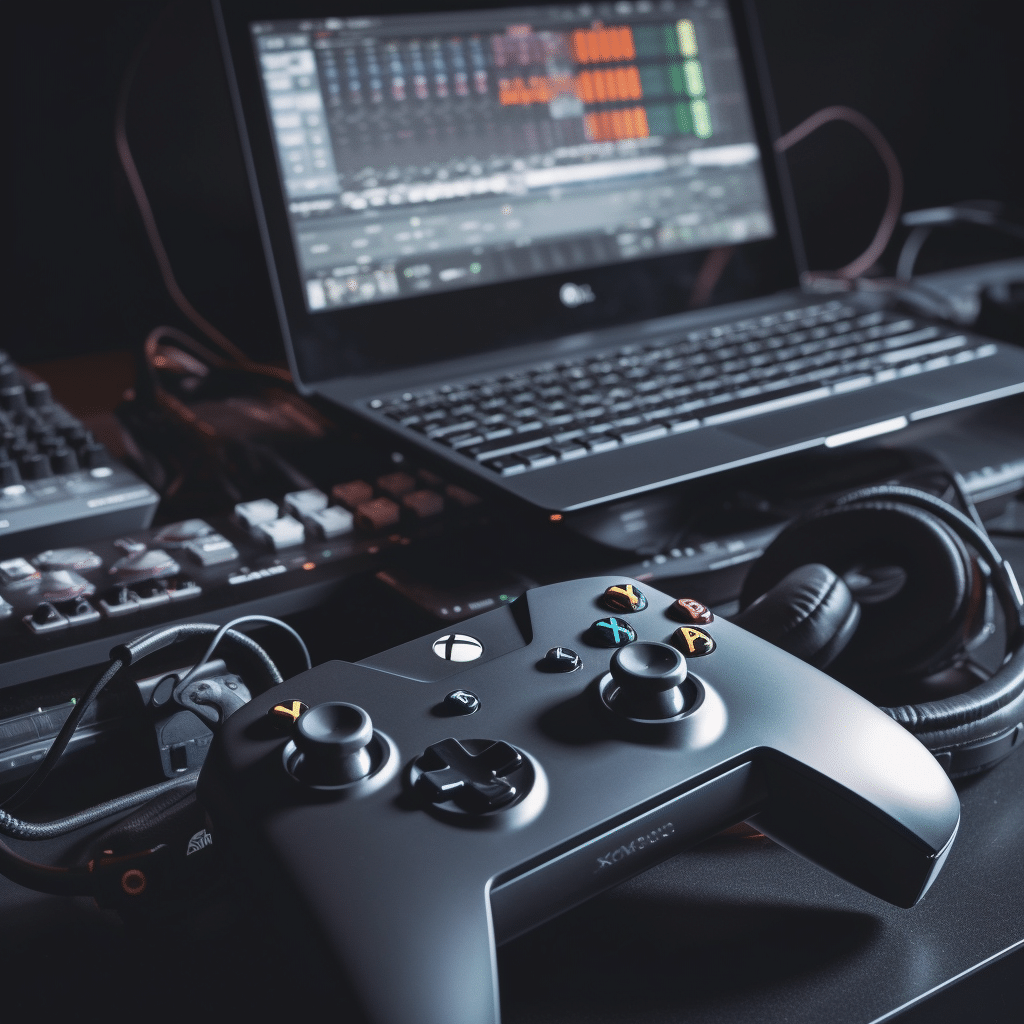
Whether you’re gearing up for a competitive multiplayer FCM99 match, settling in for a casual board game night, or hosting a full-on game tournament, the right soundtrack can make all the difference. Music isn’t just background noise—it sets the mood, fuels your energy, and even sharpens your focus.
Creating a game time playlist tailored to your gaming style and group vibe is a fun and rewarding way to enhance every session. In this article, we’ll explore how to craft the perfect playlist that keeps energy high, supports concentration, and complements the unique atmosphere of your game night.
Why Create a Game Time Playlist?
Music has a powerful impact on mood and performance. Here’s why having a dedicated game time playlist is a game-changer:
Sets the mood: Whether you want intense competition or relaxed fun, the right tunes create the perfect ambiance.
Keeps energy consistent: Music with the right tempo can keep players engaged and prevent lulls during downtime.
Builds immersion: Soundtracks aligned with your game’s theme add depth and excitement.
Boosts focus: Certain instrumental or low-key tracks can help players concentrate better.
A thoughtful playlist is the unsung hero of unforgettable gaming experiences.
Step 1: Know Your Game and Audience
The first step in creating a game time playlist is understanding the type of games and players involved.
Competitive games: Fast-paced, high-energy music can pump adrenaline. Think rock, EDM, or upbeat pop.
Casual or social games: Light, chill tunes or classic hits can keep the atmosphere friendly and relaxed.
Fantasy or RPG sessions: Epic orchestral scores or ambient soundscapes help deepen immersion.
Puzzle or strategy games: Instrumental music or lo-fi beats promote focus without distraction.
Also, consider your players’ tastes. If your group loves classic rock, include some legendary hits; if they prefer modern pop, tailor accordingly.
Step 2: Choose the Right Platforms
Depending on how you’ll share and play your playlist, select a music platform:
Spotify: Offers curated playlists, collaboration features, and cross-device syncing.
Apple Music: Great for Apple users, with personalized recommendations.
YouTube Music: Ideal for finding rare tracks and custom mixes.
SoundCloud: A treasure trove of indie artists and unique remixes.
Offline playlists: For locations with spotty internet, download playlists in advance.
Many platforms let you share playlists with friends, which is perfect for group gaming sessions.
Step 3: Balance Energy Levels and Genres
A great playlist has dynamic flow. Avoid keeping the energy at maximum throughout—mix it up!
Start with medium-tempo tracks to set a welcoming vibe.
Introduce high-energy songs as the games heat up.
Use chill or instrumental tunes during breaks or downtime.
End with something uplifting or relaxing to wind down the night.
Consider blending genres like rock, electronic, jazz, or classical to keep things interesting. Don’t hesitate to throw in some nostalgic tracks that your group loves.
Step 4: Include Theme-Appropriate Music
For themed game nights, align your playlist with the setting.
Sci-fi games: Ambient synth, electronic, and futuristic soundtracks.
Fantasy games: Epic orchestral, Celtic tunes, or folk music.
Horror games: Dark ambient sounds or eerie instrumental tracks.
Retro games: 8-bit chiptunes and classic video game soundtracks.
You can also include songs inspired by game lore, fan-made music, or official game soundtracks.
Step 5: Create Segments or Moods
If your game night has multiple phases—like setup, intense gameplay, breaks, and closing—segment your playlist accordingly.
Labeling these segments within your playlist can help you navigate the right mood as the night evolves.
Step 6: Keep the Playlist Length Flexible
Your playlist should ideally last longer than your gaming session so you never run out of tunes.
For a typical 3–4 hour game night, aim for a playlist of 60–100 songs.
Include enough variety so songs don’t repeat too often.
If you anticipate longer sessions, create multiple playlists or enable shuffle mode.
Step 7: Test and Refine
Once your playlist is ready, test it out during a practice game or solo session.
Notice how the music affects mood and focus.
Ask your group for feedback after the game night.
Adjust song choices, order, and length based on what works best.
Conclusion
Creating a game time playlist transforms your gaming sessions from ordinary to extraordinary. By thoughtfully selecting tracks that match your game style, player preferences, and mood, you set the stage for energy, focus, and fun. Whether you’re rolling dice, strategizing, or battling it out online, the perfect soundtrack can elevate every moment.
 Site Title
Leave a comment